
How to Care for the Snake Plant (Sansevieria) — A Complete Growing Guide
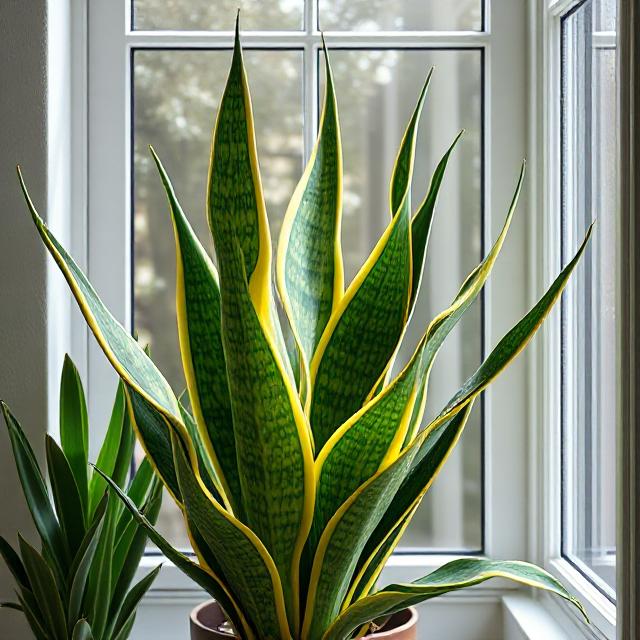
If you’re looking for a houseplant that’s both stylish and easy to care for, the Snake Plant (also known as Sansevieria or Dracaena trifasciata) is an excellent choice. Its upright, sword-shaped leaves bring architectural flair to a space, and it thrives on neglect—making it perfect for beginners or busy plant-lovers.
In this guide, we’ll walk you through key care steps: lighting, watering, soil, temperature & humidity, fertilizing, propagation, common issues, and styling ideas. Use it as a go-to reference for keeping your Snake Plant healthy and thriving.
Light Requirements
- Snake Plants are incredibly adaptable. They can tolerate low light, but they’ll grow faster and show better leaf color in bright, indirect light.
- Avoid placing them in deep shade for long periods if you expect growth. At the other extreme, intense direct sunlight can lead to leaf burn.
- A good location: near an east- or west-facing window, or a few feet away from a south-facing window with sheer curtain filtering.
- Tip: If you move it from low light to bright light, do so gradually so the plant can adjust without stress.
Soil & Potting
- Use a well-draining soil mix, ideally a cactus/succulent mix or a regular potting mix blended with sand/perlite. This reduces the risk of root rot.
- Choose a pot with drainage holes, and preferably a material like terracotta which allows the soil to dry out more effectively.
- Snake Plants like being somewhat root-bound, so you don’t need to rush to repot. Over-large pots mean more soil, higher moisture retention, and risk of overwatering.
Watering
- The most common mistake with Snake Plants is overwatering, which leads to root rot and mushy leaves.
- Allow the top 1-2 inches (2–5 cm) of soil to dry out before watering again. In winter, water less frequently (perhaps once every few weeks) because growth slows.
- Tip: Water thoroughly so that excess drains out, then don’t water again until dryness is confirmed. Avoid letting the plant sit in water.
Temperature & Humidity
- Ideal temperature range is 70 °F to 90 °F (21 °C to 32 °C). They can tolerate down to about 50 °F (10 °C) but don’t like frost or cold drafts.
- They are not fussy about humidity and do fine in typical indoor environments. However, in very dry air they may benefit from occasional dusting of leaves.
Fertilizing
- Fertilize sparingly. During the active growth season (spring and summer), feed once a month with a balanced liquid fertilizer diluted to half strength.
- Do not fertilize during fall and winter when growth is minimal. Over-fertilizing can damage roots or cause leaf discoloration.
Propagation
- You can propagate Snake Plants by division (splitting the root ball) or by leaf cuttings. Division is faster and more reliable.
- For leaf cuttings: cut a healthy leaf into sections, allow the cut end to callous, then place in moist, well-draining soil until roots develop.
Common Issues & How to Fix Them
Styling & Placement Ideas
- Because Snake Plants have upright, architectural leaves, they work well as floor-standing statement plants in heavy ceramic or terracotta pots.
- They’re also ideal in narrow corners or behind low furniture where their height adds vertical interest.
- Mix with other minimalist plants (e.g., succulents, fiddle-leaf fig) for a modern green corner.
- For your brand site (like “Pines & Firs”), use the Snake Plant as a symbol of “easy-care elegance” in gardening blogs or containers reading “Beginner-friendly houseplants”.
Why the Snake Plant Is a Great Choice
- Very low maintenance and forgiving — perfect for beginners or busy lifestyles.
- Tolerates a wide range of indoor conditions (light, humidity).
- Stylish and versatile — available in many cultivars with variegated leaves and differing heights.
- Bonus: some varieties release oxygen at night and contribute to better indoor air quality (though you’ll need many to see dramatic effect).
Hi, this is a comment.
To get started with moderating, editing, and deleting comments, please visit the Comments screen in the dashboard.
Commenter avatars come from Gravatar.