
The Future is Growing: How Tech and Smart Gardens Make You a Green Thumb Instantly
From Soil to Silicon
Remember when gardening meant dirty fingernails, guesswork with watering, and a hopeful battle against pests? Welcome to the new era. Technology has taken root in the world of horticulture, creating a revolution known as smart gardening.
Tech and smart gardens are merging biology with digital innovation to create foolproof systems that allow anyone—from seasoned gardeners to those who can’t keep a cactus alive—to grow thriving plants indoors and out. This isn’t just a convenience; it’s a complete reimagining of how we connect with our food and foliage.
In this article, we’ll explore the smart gardening technologies available today and how they can help you cultivate a greener, smarter home.
What is a Smart Garden? More Than Just a Pot.
At its core, a smart garden is an integrated system that uses technology to automate and optimize the conditions for plant growth. It takes the core variables of gardening—light, water, and nutrients—and manages them for you.
Think of it as a “set it and forget it” approach to plant care, powered by data and automation.
The Tech Toolkit: Key Components of a Smart Garden
The smart gardening ecosystem is built on several key technologies:
1. Automated Watering Systems
Never over-water or under-water again.
- Self-Watering Planters: These use simple wicking systems or water reservoirs to provide plants with a consistent, optimal moisture level.
- Smart Irrigation Controllers: For outdoor gardens, systems like Rachio or Orbit B-hyve connect to Wi-Fi and automatically adjust watering schedules based on local weather forecasts, soil type, and plant type.
2. Precision Indoor Lighting
Sunlight is no longer a limiting factor.
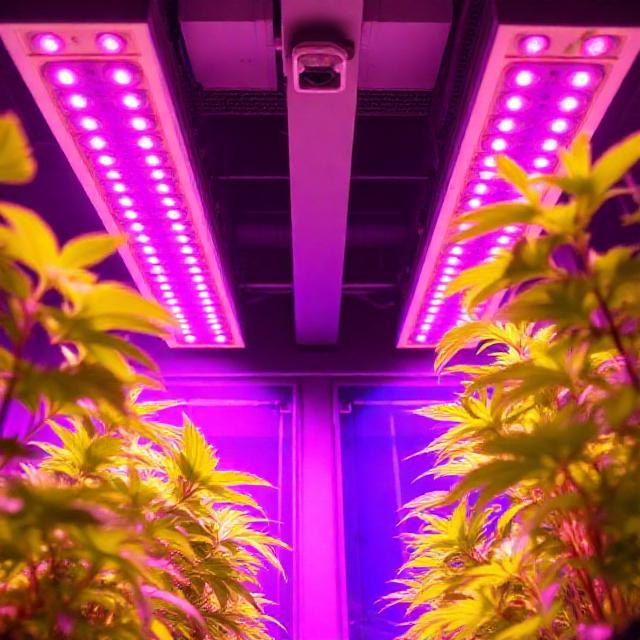
- Full-Spectrum LED Grow Lights: These energy-efficient lights provide the exact wavelengths of light plants need for photosynthesis. They are often built into countertop smart gardens and can be set on automatic timers to simulate perfect day/night cycles.
3. Sensors and Data-Driven Insights
This is the true “brain” of the smart garden.
- Soil Sensors: Devices like the Parrot Flower Power or Koubachi insert into your soil to monitor moisture, light intensity, soil pH, and fertilizer levels. They send this data directly to your smartphone.
- Environmental Sensors: These track ambient temperature and humidity, giving you a complete picture of your garden’s climate.
4. App Integration and Control
Your garden is now at your fingertips.
- Notifications and Alerts: Get a push notification the moment your plant needs water or nutrients.
- Remote Control: Adjust lighting schedules or trigger watering cycles from your phone, no matter where you are.
- Plant Libraries: Many apps have vast databases to help you identify plants and provide specific care guides.
The Benefits: Why Go Smart?
Adopting smart gardening technology offers a host of advantages:
- Foolproof for Beginners: Eliminates the guesswork and common mistakes that lead to plant death. It’s the ultimate tool for building confidence.
- Maximizes Yield and Health: By providing optimal conditions 24/7, plants grow faster, healthier, and more productively. Enjoy more herbs, vegetables, and blooms.
- Saves Time and Effort: Automation handles the daily chores, freeing you up to enjoy the aesthetic and therapeutic benefits of your garden without the labor.
- Saves Resources: Smart systems use up to 50% less water by delivering it only when and where it’s needed. Energy-efficient LEDs also minimize electricity use.
- Garden Anywhere, Anytime: Live in a dark apartment? Have a busy travel schedule? Smart gardens make it possible to have a thriving indoor garden regardless of your environment or lifestyle.
Types of Smart Gardens to Fit Your Life
The market has exploded with options for every need and budget:
1. All-in-One Countertop Kits
Perfect for kitchens and small spaces, these are the entry point for most people. Brands like AeroGarden, Click & Grow, and Rise provide pod-based systems with built-in lights and automated watering, allowing you to grow herbs, salads, and flowers year-round with almost no effort.
2. Modular and Scalable Systems
For those who want to build a larger indoor garden, systems like Gardyn offer vertical, space-saving towers that are fully automated and managed by an AI assistant.
3. Smart Outdoor Ecosystems
Transform your backyard with products like:
- Edyn: A smart sensor and valve that monitors your garden’s specific needs and waters accordingly.
- PlantLink: A soil moisture sensor system that connects to your existing irrigation system.
4. Robotics and AI
The cutting edge of smart gardening includes:
- Weeding Robots: Small, autonomous robots like Tertill roam your garden, using solar power to mechanically weed your vegetable patch.
- AI Plant Identification: Apps like PictureThis and Planta use your phone’s camera to instantly identify plants, diagnose diseases, and provide a custom care plan.
Getting Started with Your First Smart Garden
Ready to dive in? Here’s a simple plan:
- Assess Your Space & Goals: Do you want fresh herbs for cooking? A decorative indoor plant corner? A more efficient vegetable patch? Your goal will determine the best tech.
- Start Small: A countertop smart garden kit is the perfect, low-commitment way to experience the benefits firsthand.
- Research and Integrate: Look for systems with strong app reviews and reliable customer support. If you’re tech-savvy, you can even start building your own with open-source platforms like Arduino or Raspberry Pi.
The Verdict: A Greener, Smarter Future
Tech and smart gardens are more than a passing trend; they are a logical step in our relationship with nature. They don’t replace the joy of getting your hands dirty, but they do remove the major barriers and frustrations.
By leveraging technology, we can make gardening more sustainable, efficient, and inclusive. It empowers us to become better plant parents, connect with our food sources, and bring the life-affirming power of plants into our modern lives with ease.
Embrace the future. Let technology handle the work, so you can enjoy the harvest.