
Breathe Easy: The Top Air Purifying Plants for a Healthier Home
Can Houseplants Really Clean the Air?
In our quest for healthier living, we often overlook the air inside our homes. According to the EPA, indoor air can be 2 to 5 times more polluted than outdoor air, filled with volatile organic compounds (VOCs) from furniture, cleaning products, paints, and more.
This is where air purifying plants come in. While the famous 1989 NASA study highlighted their ability to remove toxins like benzene, formaldehyde, and trichloroethylene, the real benefits are multi-layered. Plants don’t just filter air; they also release humidity, reduce stress, and bring a vibrant, calming energy to any space.
In this guide, we’ll explore the most effective air-purifying plants that are also easy to care for, even if you don’t have a green thumb.
How Do Plants Purify the Air?
Plants are natural air filters. Through a process called photosynthesis, they absorb carbon dioxide and release oxygen. But they go a step further in a process called phytoremediation:
- Absorb Toxins: Plants absorb harmful VOCs through their leaves and roots.
- Break Them Down: Microorganisms in the soil then break these toxins down, using them as a food source.
- Release Clean Air: The plant converts these compounds into harmless byproducts, effectively cleaning the air you breathe.
Top 10 Air Purifying Plants for Your Home
Here are our top picks for plants that are both powerful air cleaners and easy to maintain.
1. Snake Plant (Sansevieria trifasciata) – The Bedroom Champion
- Toxins Removed: Formaldehyde, Xylene, Toluene, Nitrogen Oxides
- Why We Love It: The Snake Plant is nearly indestructible. It thrives on neglect, tolerating low light and irregular watering. Uniquely, it performs photosynthesis at night, releasing oxygen while you sleep, making it an ideal plant for the bedroom.
- Care: Low light to bright indirect light. Water sparingly (let soil dry completely between waterings).
2. Spider Plant (Chlorophytum comosum) – The Prolific Purifier
- Toxins Removed: Formaldehyde, Xylene, Carbon Monoxide
- Why We Love It: A classic for a reason! Spider Plants are non-toxic, safe for pets and children, and incredibly adaptable. They produce “spiderettes” or “pups” that you can easily propagate, creating more green cleaners for your home.
- Care: Prefers bright, indirect light but is tolerant. Water moderately.
3. Peace Lily (Spathiphyllum) – The Elegant Bloomer
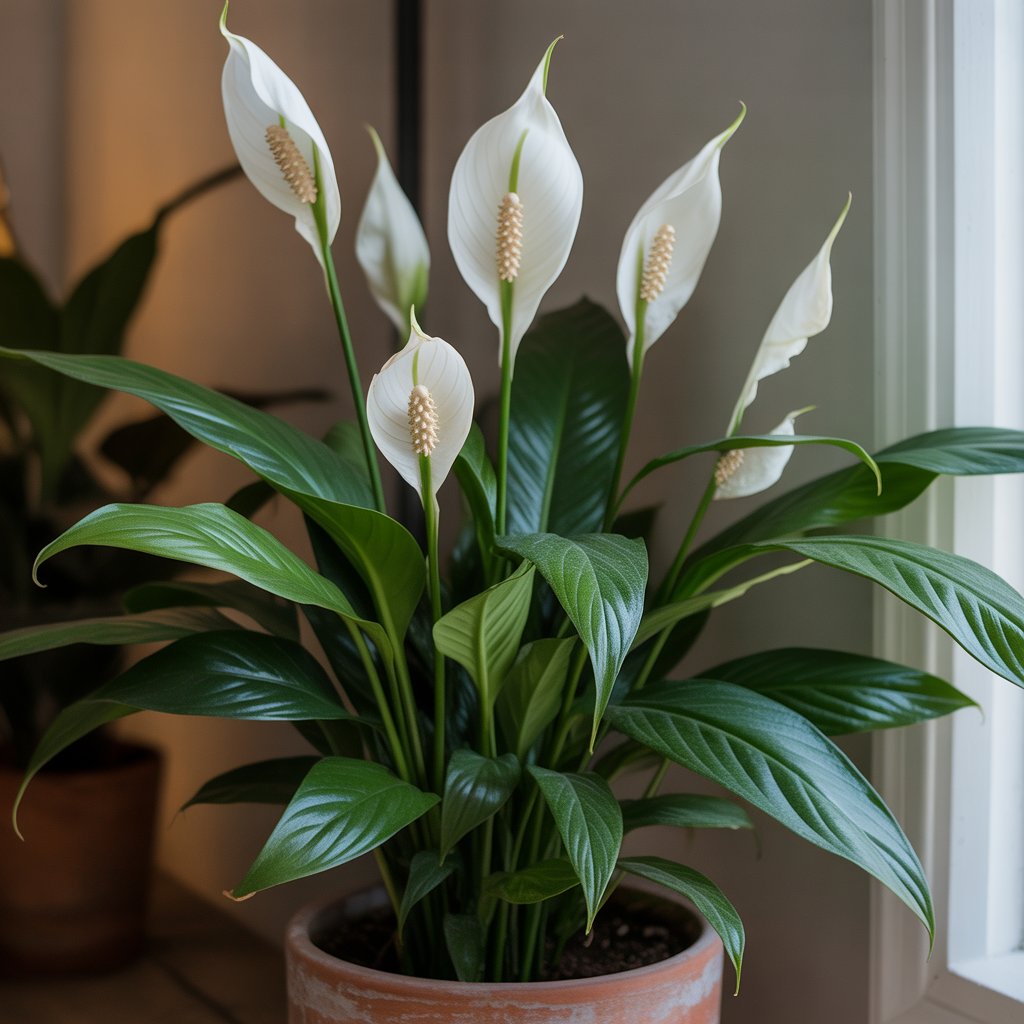
- Toxins Removed: Formaldehyde, Benzene, Trichloroethylene, Ammonia
- Why We Love It: With its elegant white blooms and glossy leaves, the Peace Lily adds a touch of sophistication. It’s one of the few flowering plants on this list and is particularly effective at removing ammonia.
- Care: Low to medium, indirect light. Keep the soil consistently moist. Note: Toxic to pets if ingested.
4. Boston Fern (Nephrolepis exaltata) – The Humidifying Hero
- Toxins Removed: Formaldehyde, Xylene, Toluene
- Why We Love It: This lush, feathery fern is a natural humidifier, restoring moisture to the air, which can be especially beneficial in dry climates or during winter. It’s a champion at removing formaldehyde.
- Care: Prefers bright, indirect light and high humidity. Keep the soil consistently damp.
5. English Ivy (Hedera helix) – The Mold Reducer
- Toxins Removed: Formaldehyde, Benzene, Xylene, Toluene
- Why We Love It: A fantastic trailing plant for shelves or hanging baskets. Studies have shown English Ivy can help reduce airborne mold, making it a great choice for bathrooms or for those with allergies.
- Care: Prefers moderate light. Keep soil moist. Note: Toxic to pets if ingested.
6. Bamboo Palm (Chamaedorea seifrizii) – The Statement Maker
- Toxins Removed: Formaldehyde, Benzene, Carbon Monoxide, Xylene, Chloroform
- Why We Love It: If you have the space, the Bamboo Palm makes a beautiful statement. It’s one of the best all-around air purifiers, especially for formaldehyde and benzene, and adds a tropical feel to any room.
- Care: Prefers bright, indirect light. Water when the top inch of soil is dry.
7. Devil’s Ivy / Pothos (Epipremnum aureum) – The Easy-Growing Trail
- Toxins Removed: Formaldehyde, Xylene, Toluene, Benzene, Carbon Monoxide
- Why We Love It: Devil’s Ivy is arguably one of the easiest plants to grow. Its fast-growing, trailing vines look beautiful on a high shelf or in a hanging planter. It’s very forgiving of low light and irregular watering.
- Care: Thrives in a variety of light conditions (low to bright indirect). Let soil dry out between waterings. Note: Toxic to pets if ingested.
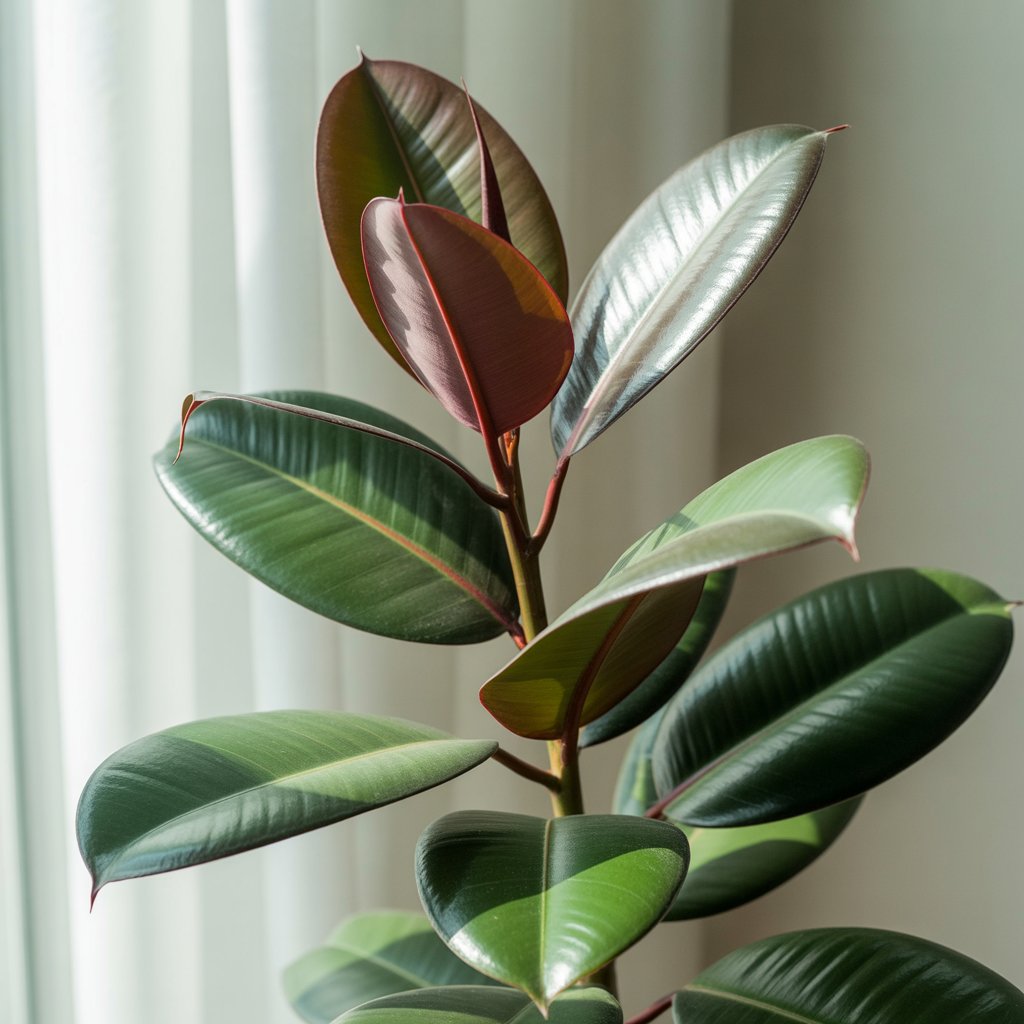
8. Rubber Plant (Ficus elastica) – The Bold and Beautiful
- Toxins Removed: Formaldehyde, Carbon Monoxide, Trichloroethylene
- Why We Love It: With its large, dark green, waxy leaves, the Rubber Plant is a striking architectural plant. It’s particularly effective at removing formaldehyde and is relatively low-maintenance once established.
- Care: Prefers bright, indirect light. Water when the top inch of soil is dry.
9. Chinese Evergreen (Aglaonema) – The Colorful Low-Light Expert
- Toxins Removed: Benzene, Formaldehyde, Carbon Monoxide
- Why We Love It: Chinese Evergreens are prized for their beautiful, variegated leaves that come in shades of green, silver, pink, and red. They are exceptionally tolerant of low-light conditions, making them perfect for offices and north-facing rooms.
- Care: Low to medium, indirect light. Water moderately. Note: Toxic to pets if ingested.
10. Aloe Vera – The Healing Succulent
- Toxins Removed: Formaldehyde, Benzene
- Why We Love It: Aloe Vera is a double-duty plant. Not only does it help clear the air of toxins, but the gel inside its leaves can be used to soothe burns and skin irritations. It’s a sun-loving, easy-care succulent.
- Care: Requires bright, direct light. Water deeply but infrequently.
Maximizing the Benefits: Placement and Care Tips
Simply having plants isn’t enough. To get the most out of your natural air purifiers:
- Go for Variety: Different plants target different toxins. A diverse collection is more effective.
- Spread Them Out: Place at least one medium-to-large plant per 100 square feet for a noticeable impact.
- Keep Leaves Clean: Dust on leaves can block a plant’s ability to photosynthesize and breathe. Wipe leaves gently with a damp cloth periodically.
- Healthy Soil, Healthy Air: The microorganisms in the potting soil are crucial for breaking down toxins. Avoid over-sterilizing your potting mix.
A Note on Pet Safety
Many popular houseplants can be toxic to cats and dogs if ingested. Always check the toxicity of a plant before bringing it into a home with pets. The Spider Plant, Boston Fern, and Bamboo Palm are excellent, non-toxic choices.
The Verdict: A Greener Home is a Healthier Home
While plants are not a substitute for proper ventilation and a good HEPA air filter, they are a powerful, natural, and beautiful complement to a healthy lifestyle. They offer a proven, albeit modest, improvement in air quality and a significant boost to your mental well-being.
Start with one or two easy-care plants like a Snake Plant or a Pothos, and experience the joy and benefits of bringing more green into your life. Your lungs—and your soul—will thank you.