
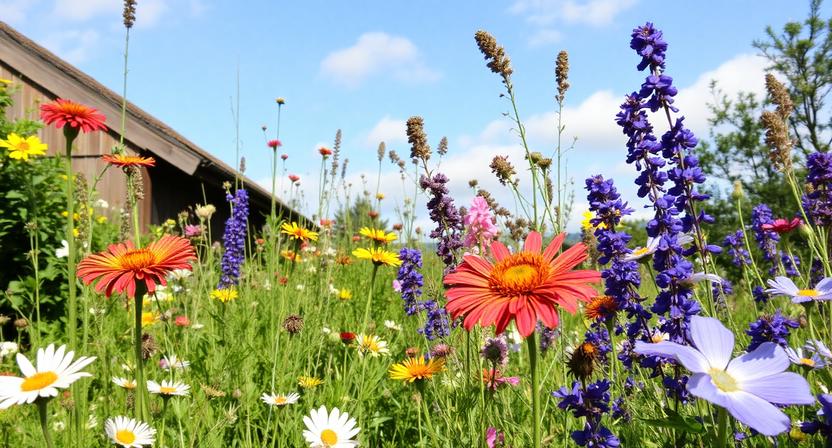
Chaos Gardening-Is it for you?
What Is Chaos Gardening?
Chaos gardening is a relaxed, free‑spirited approach to gardening where you intentionally embrace randomness. Instead of carefully planning where every plant goes, you scatter a variety of seeds — wildflowers, herbs, vegetables, perennials — over a patch of soil and let nature decide what grows.
Unlike formal, manicured flower beds, chaos gardens aim for a natural, “wildflower meadow” look. The idea is to mimic how plants grow in the wild — without rigid rows, without excessive planning.
Why Is Chaos Gardening So Popular?
1. Low Maintenance
Once established, chaos gardens require very little hands-on care. There’s typically less weeding, pruning, or fussing because the plants are arranged naturally.
2. Cost‑Effective
You can often use leftover seed packets or old seeds, reducing waste and saving money. Seeds are cheaper than buying mature plants, so starting a chaos garden can be very budget-friendly.
3. Biodiversity & Wildlife Friendly
Because you’re not planting uniform rows, chaos gardens naturally support a wide variety of plants. This diversity creates ideal habitat for pollinators like bees, butterflies, and beneficial insects. Over time, self-seeding plants can contribute to a resilient, self-sustaining ecosystem.
4. Stress Relief & Joy
Chaos gardening is liberating. You don’t need to follow rigid gardening rules. You just toss seeds around, water lightly, and watch what happens. For many, it’s a return to the playful, intuitive side of gardening.
5. Ecological Benefits
Chaos gardening often aligns with sustainable practices. It reduces the need for chemical inputs, fosters soil health, and encourages carbon sequestration when using perennial or native species.
How to Start a Chaos Garden
Here’s a step-by-step guide to creating your own:
- Pick the Right Location
- Choose a sunny area if most of your seeds need sun.
- Alternatively, pick a spot that suits some shade-tolerant plants if needed.
- Prepare the Soil
- Clear any turf or dense vegetation.
- Add a layer of compost or aged soil to improve fertility.
- Lightly loosen the surface so seeds make good contact.
- Choose Your Seeds
- Mix leftover seeds from previous years or buy a wildflower mix.
- Include a mix of annuals, perennials, grasses, herbs, or vegetables — whatever suits your taste.
- Lean toward native species if possible because they tend to be hardier and support local wildlife.
- Scatter the Seeds
- Toss handfuls of seeds over the prepared soil.
- Lightly press or walk over the soil to help seeds make contact.
- If desired, you can use seed bombs (clay + seeds) to fling seeds across harder-to-reach areas.
- Water Carefully
- Water gently after sowing so seeds don’t wash away.
- During the germination phase, keep the soil lightly moist.
- Let Nature Take Over (Mostly)
- After the first few weeks, reduce intervention. True chaos gardening is about letting plants self-organize.
- However, occasional thinning or weeding may be needed to avoid overcrowding.
- As plants set seed, many will reseed naturally for the next season.
- Add Optional Structure
- If full randomness seems too wild for you, consider adding low-maintenance shrubs or perennials as “anchors” to the garden.
- This approach — sometimes called “Chaos Gardening 2.0” — mixes spontaneity with intentional design.
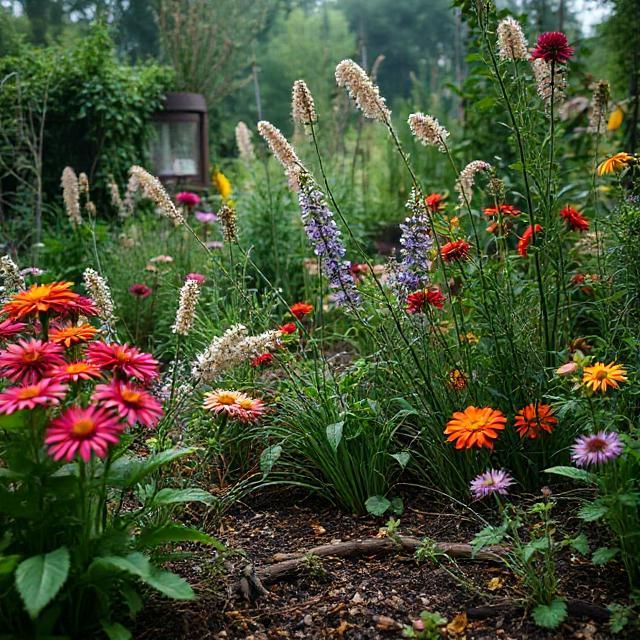
Challenges & Considerations
While chaos gardening is freeing, it’s not completely hands-off or without drawbacks:
- Unpredictability: You can’t always predict which seeds will thrive — some may fail, others may dominate.
- Overcrowding: Without careful thinning, fast-growing plants may crowd out slower ones.
- Watering Complexity: Different plants have different water needs, making watering strategy more complex.
- Local Regulations: Check your local bylaws or HOA rules. In some places, tall or “messy” gardens are regulated.
- Maintenance Required: Even though it’s low maintenance, you’ll still need to do some work initially — soil prep, watering, and possibly weeding.
Why Chaos Gardening Is a Growing Trend
- Social Media Boost: Chaos gardening surged in popularity on platforms like TikTok and Pinterest.
- Ecological Awareness: More gardeners are embracing biodiversity, pollinator-friendly designs, and sustainable gardening — all things chaos gardening supports.
- Design Evolution: Designers are merging chaotic planting with thoughtful structure, creating gardens that look wild but are ecologically intentional.
- Accessibility: Because it’s low-stakes, low-cost, and low-maintenance, chaos gardening appeals to beginners, busy people, or those who dislike strict rules.
Tips for Success
- Use a variety of seeds to increase the chances of a rich, diverse garden.
- Start small, especially if you’re trying chaos gardening for the first time.
- Observe your garden — after the first season, you’ll get a sense of what thrives and what needs tweaking.
- Don’t be afraid to thin or move plants if some get too crowded.
- Use compost or organic mulch to support soil health and minimize weeds.
- Consider self-seeding perennials like echinacea, yarrow, or native grasses. These can reestablish without much help.
- Be patient and let things evolve. The beauty of chaos gardening often emerges gradually.
Conclusion
Chaos gardening is more than just a viral trend — it’s a mindset shift. It moves gardening away from perfection and toward play, spontaneity, and ecological harmony. By scattering seeds and letting nature do the heavy lifting, you can create a vibrant, low-maintenance, and wildlife‑friendly space that evolves over time.
If you’re looking for a stress-free way to garden — one that supports biodiversity while being kind to your schedule — chaos gardening just might be the perfect fit.