
What’s New in Gardening: Top Trends & News for 2025
Gardening in 2025 is being shaped not just by beauty and design — it’s increasingly about sustainability, climate resilience, and smart technology. Here are some of the biggest developments making headlines in the gardening world right now.
1. Climate Change Is Reshaping Pest Dynamics
Warmer springs are boosting populations of common garden pests. The Royal Horticultural Society (RHS) reports a surge in aphid numbers in UK gardens, linked to milder temperatures and fewer frosts. The Guardian
- These aphids are now targeting new plant species, such as buddleia.
- The RHS is encouraging gardeners to use natural predator methods (like planting poached egg plants to attract hoverflies) instead of pesticides.
- Tracking and citizen science play a role, as gardeners are being asked to report aphid sightings to help map and manage the problem.
Takeaway: Gardeners need to be more vigilant about pest control — but the shift is toward ecological, not chemical, solutions.
2. The Anti-Lawn Movement Gains Steam
Traditional grass lawns are falling out of favor — especially in areas affected by drought or water restrictions.
- Homeowners are embracing xeriscaping and drought-tolerant landscaping, using native plants and hardscape to reduce water use.
- Designer Emily Henderson made waves by replacing her grass lawn with clover, highlighting how clover lawns are low maintenance, pollinator-friendly, and water-saving.
- The “anti-lawn” trend supports biodiversity, reduces mowing needs, and can lead to a more ecologically beneficial garden.
3. Sustainability Is the Core of 2025 Gardening
Across the board, sustainability is no longer optional — it’s central to modern gardening.
- There’s a growing focus on native plants and rewilding garden spaces to support local ecosystems.
- Gardeners are turning to rainwater harvesting, composting, and organic pest control to reduce their environmental footprint.
- Regenerative gardening practices — like no-dig beds and compost-first approaches — are being embraced, per experts.
4. Technology Meets the Garden
Gardening is becoming more high-tech — in a good way.
- AI and sensors: According to reports, smart garden sensors that monitor soil moisture, pH, and weather conditions are becoming more accessible.
- Hydroponics gets smarter: AI-driven hydroponic setups are gaining traction, enabling precise nutrient delivery, water conservation, and better yields.
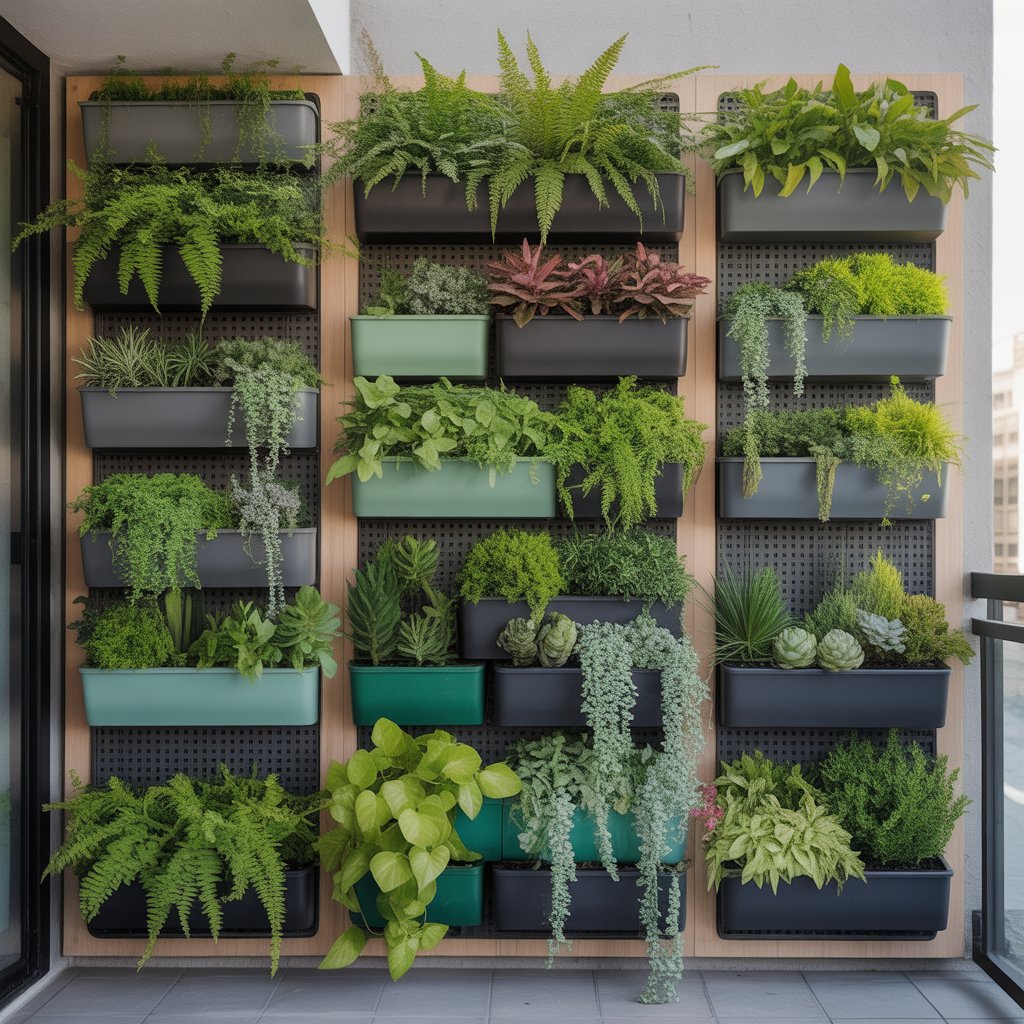
- Urban gardening innovations: Technology is helping urban gardeners manage green spaces more efficiently via vertical gardens, sensor-based watering, and connected systems.
5. Regenerative and Meadow-Style Gardens Are Trending
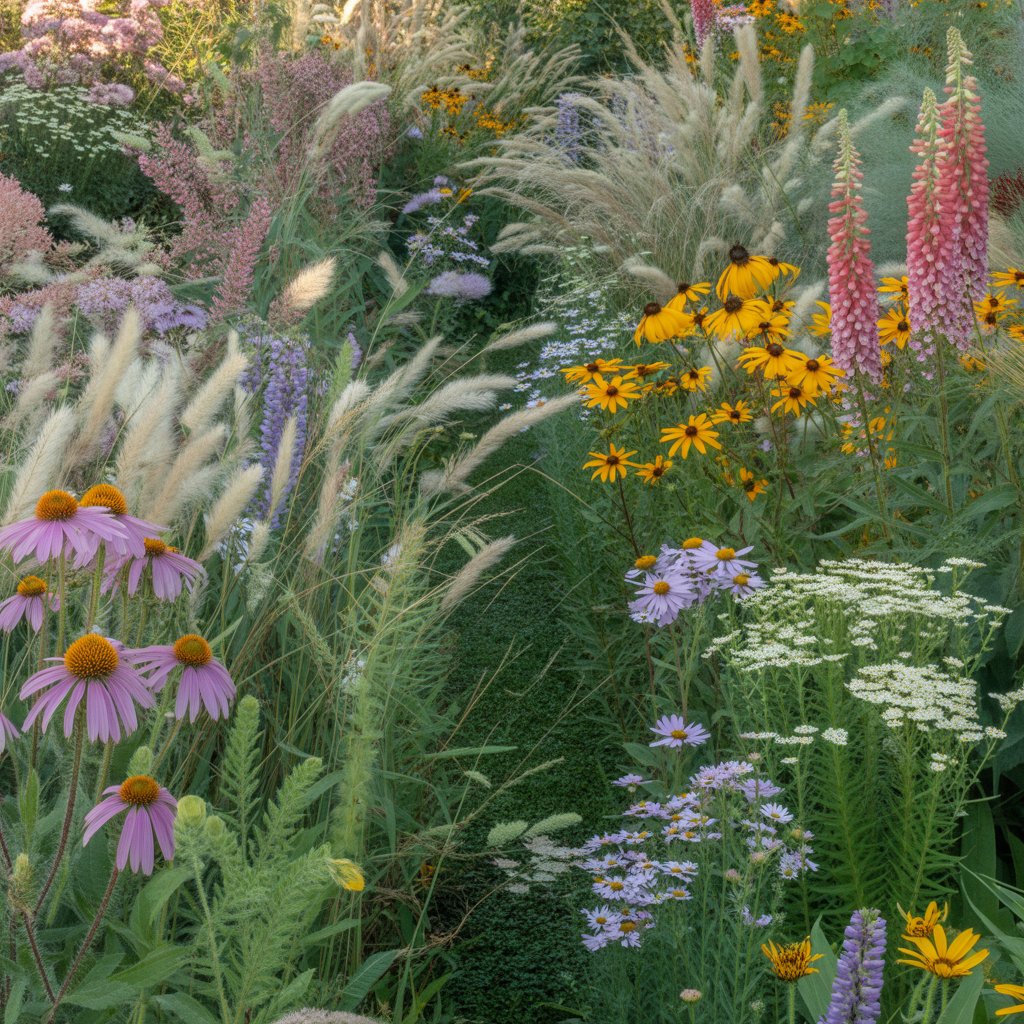
- “Meadow mania” is growing: gardeners are swapping manicured lawns for wildflower meadows filled with native grasses and perennials.
- These designs support pollinators and create low-maintenance, biodiverse landscapes.
- Regenerative gardening also means focusing on soil health: composting, cover crops, and organic matter are all part of the mix.
6. Gardening as Wellness & Connection
Gardening continues to be framed not just as a hobby, but as a mental health tool.
- Wellness gardens are growing more popular, incorporating sensory plants, calming layouts, and spaces for mindfulness.
- With climate anxiety on the rise, gardens are being reimagined as places of solace — small, joyful corners that bring calm, creativity, and community.
7. Innovative Landscaping: Recycled Materials & Soil Solutions
- In an inspiring sustainability project, London’s Regent’s Park is being redesigned using crushed concrete mixed into the soil.
- This helps create drainage, encourages deep-rooted plants, and reduces waste by reusing construction materials.
- Such innovations show how urban green spaces can blend design and resilience.
8. Growing Conflict Over Peat Use
Not all sustainability efforts are advancing smoothly.
- The Chelsea Flower Show has faced criticism for delaying its ban on horticultural peat until 2028.
- Peat is a major carbon sink, and critics argue that continued usage undermines environmental goals.
- While some nurseries have successfully gone peat-free, the transition remains slow and uneven.
What This Means for Gardeners
- Reassess your garden design through a sustainability lens: native plants, water-wise landscaping, and biodiversity matter more than ever.
- Use smart tools (sensors, AI) to optimize water and reduce resource use.
- Embrace meadow-style and regenerative designs over traditional lawns.
- Support eco-innovation, like recycled building materials in soil and church initiatives to phase out peat.
- Consider your garden as a wellness space, not just a decorative one — it’s part of your mental and environmental health.
2025 is shaping up to be a pivotal year in gardening — one where climate awareness, technology, and ecological design converge. Whether you’re a backyard gardener, a balcony plant parent, or a landscape pro, these trends highlight how gardens can be powerful tools for meaning, beauty, and resilience.