
Jade Plant Problems: How to Diagnose and Fix a Sick Jade Plant
Quick answer: Most jade plant problems come from too much water, too little light or pests. Soft, yellow or mushy leaves usually mean overwatering or root rot. Wrinkled, shrivelled leaves mean it's thirsty. Leggy, stretched growth means not enough light. White cottony spots are mealybugs. Fix the cause, let the soil dry out between waterings, and most jade plants recover well.
Key takeaways
- Overwatering is the number one cause of jade plant problems, especially in Canadian winters when growth slows.
- Water only when the soil is completely dry. In winter, that may be every 3–4 weeks.
- Jades need bright light: a south or west window, or a grow light in winter.
- Jade plants are toxic to cats and dogs, so keep them out of reach of pets.
Table of Contents
Quick guide to jade plant problems
| Symptom | Most likely cause | Fix |
|---|---|---|
| Soft, yellow, mushy leaves | Overwatering or root rot | Stop watering; check the roots |
| Wrinkled, shrivelled leaves | Underwatering | Water deeply, then let it dry out |
| Leaves dropping suddenly | Over- or underwatering, cold drafts | Check soil moisture and location |
| Leggy, stretched stems | Too little light | Move to brighter light or add a grow light |
| White cottony clumps | Mealybugs | Dab with rubbing alcohol; isolate the plant |
| Black or brown spots | Fungal leaf spot, or cold or sun damage | Improve airflow; remove badly affected leaves |
| Red leaf edges | Bright sun or mild stress | Usually harmless, and often attractive |
| Wilting with wet soil | Root rot | Repot in dry cactus mix after trimming rot |
| Brown, crispy tips | Sunburn or salt build-up | Move out of harsh sun; flush the soil |
9 easy fixes for common jade plant problems
1. Overwatering
Jade plants (Crassula ovata) are succulents that store water in their leaves. Watering on a schedule is the most common mistake. Water only when the soil is dry all the way through, and always empty the saucer.
2. Root rot
If the stem feels soft at the base or the soil smells sour, slide the plant out of its pot. Cut away dark, mushy roots with clean scissors, let the plant dry for a day or two, then repot it in fresh cactus mix in a pot with drainage holes. Wait a week before watering.
3. Underwatering
Deeply wrinkled leaves mean the plant is using its stored water. Give it a thorough soak until water runs out the bottom, then return to a "water when dry" routine.
4. Leaf drop
Jades drop leaves when stressed by watering extremes, sudden temperature changes or cold drafts. Keep them away from doors and drafty windows in winter, and away from heat vents.
5. Not enough light
Stretched stems with wide gaps between leaves mean the plant is reaching for light. Move it to your brightest window. In a Canadian winter, a small LED grow light helps a lot. See our guide to the best grow lights for seed starting for simple options.
6. Mealybugs
These white, cottony insects hide where leaves meet the stem. Dab each one with a cotton swab dipped in rubbing alcohol, repeat weekly, and isolate the plant until they're gone. For heavy infestations, use insecticidal soap.
7. Scale and spider mites
Scale looks like small brown bumps. Spider mites leave fine webbing and speckled leaves. Wipe or rinse the leaves, and treat with insecticidal soap if needed.
8. Black or brown spots
Spots can be fungal (often linked to wet leaves and poor airflow), or they can be damage from cold or sudden strong sun. Remove badly affected leaves, water the soil and not the leaves, and give the plant good airflow.
9. Sunburn
Brown or bleached patches after moving a jade outdoors or into a hot window are sunburn. Introduce stronger sun gradually over a week or two.
ADD IMAGE HERE
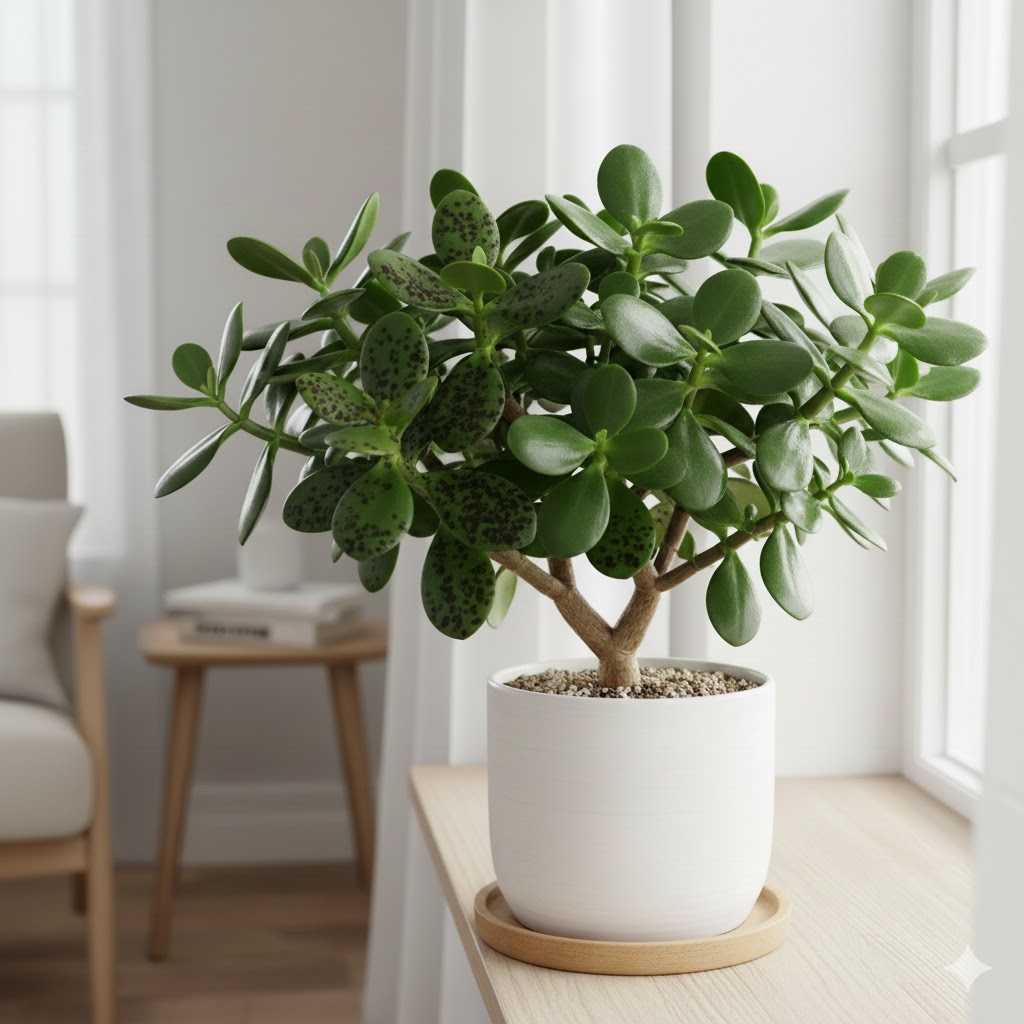
Preventing jade plant problems through a Canadian winter
Winter brings the most jade plant problems in Canada: short days, dry furnace air and slower growth.
- Water much less: often every 3–4 weeks, or only when the soil is dry and the leaves just begin to soften.
- Maximize light: keep jades in the sunniest window, or add a grow light.
- Keep them warm but not hot: normal room temperatures are fine; avoid cold glass at night.
- Skip fertilizer until spring.
Dry indoor air rarely bothers jades, which is why they're on our list of the best houseplants for dry air. If you enjoy easy succulents, our snake plant care guide is a good next read.
Expert care sources
For more detail on jade plant care, see the University of Wisconsin's jade plant fact sheet and Iowa State University's jade plant care FAQ. If you have pets, note that the ASPCA lists jade plants as toxic to cats and dogs.
FAQ: jade plant problems
Why is my jade plant dropping leaves?
The most common causes are overwatering, underwatering or sudden changes in temperature or light. Check the soil first: if it's wet, let it dry out; if it's bone dry and the leaves are wrinkled, water deeply.
Can a jade plant recover from root rot?
Often, yes, if some healthy roots or firm stems remain. Trim away the rot, let the plant dry, and repot it in fresh cactus mix. You can also root healthy stem cuttings as a backup.
Why are my jade plant's leaves turning red?
Red edges usually come from bright sun or mild stress and are normally harmless. Many growers like the look.
How often should I water a jade plant in winter?
Only when the soil is completely dry. In most Canadian homes, that's every 3–4 weeks in winter, and more often in summer.