
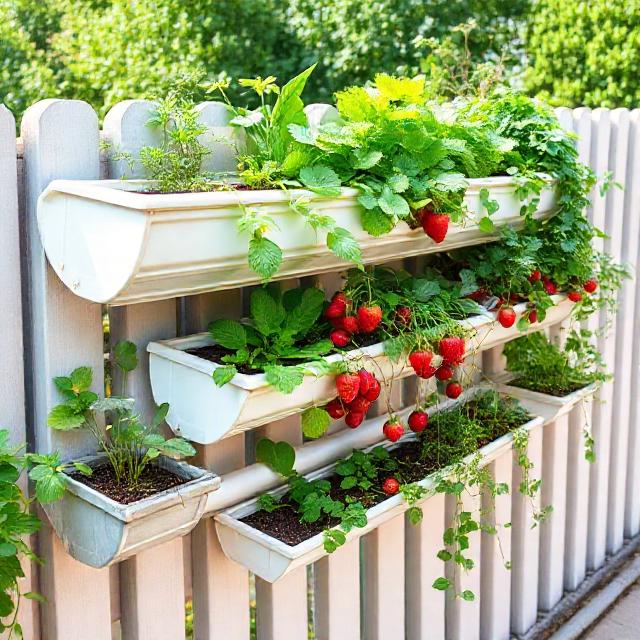
Fence-Mounted Gutter Gardens: A Space-Saving Vertical Gardening Solution
If you’re looking for a creative, affordable, and space-saving way to grow plants, fence-mounted gutter gardens are one of the hottest vertical gardening trends. Whether you have a small backyard, a balcony, or simply want to add life to a dull fence, repurposing gutters into planters is an eco-friendly and stylish solution. This guide covers everything you need to know—from choosing materials to plant selection—so you can transform your outdoor space with ease.
What Is a Fence-Mounted Gutter Garden?
A gutter garden is a vertical planting system made by attaching standard house gutters to a fence, wall, or railing. The gutters act as long, narrow planters, perfect for shallow-rooted plants like herbs, lettuce, strawberries, and succulents.
Mounted on a fence, gutter gardens offer:
- Efficient use of vertical space
- A low-cost DIY project
- Better sunlight control
- Protection from pests
- A cleaner, modern aesthetic
This technique is especially useful in urban gardening, balcony gardening, and small backyard makeovers.
Benefits of Fence-Mounted Gutter Gardens
✔ Space Saving
Ideal for tight spaces where traditional garden beds won’t fit.
✔ Low Maintenance
Shallow planters mean easy watering, quick weeding, and great drainage.
✔ Affordable
Can be made using leftover gutters or low-cost PVC/aluminum options.
✔ Eco-Friendly
Repurpose old gutters and reduce waste while growing fresh produce.
✔ Stylish Vertical Décor
Adds color, texture, and greenery to plain fences or walls.
Materials You’ll Need
To create your own fence-mounted gutter garden, gather:
- Aluminum or PVC gutters
- End caps
- Mounting brackets
- Screws and drill
- Small stones or mesh for drainage
- Potting soil
- Plants or seeds
- Optional: paint, labels, drip irrigation
How to Build a Fence-Mounted Gutter Garden
1. Measure and Cut the Gutters
Cut gutters to fit your fence width or desired layout (usually 3–6 ft sections).
2. Drill Drainage Holes
Add holes every 6–8 inches along the bottom to prevent waterlogging.
3. Attach End Caps
Snap or seal end caps to keep soil in place.
4. Install Mounting Brackets
Secure brackets to your fence at your preferred height.
Tip: Stagger rows for maximum light exposure.
5. Add Mesh or Pebbles
Prevents soil from washing out and improves drainage.
6. Fill with Potting Mix
Use a lightweight mix suited for containers.
7. Plant Your Greens
Choose plants suited for shallow soil (see list below).
8. Water and Maintain
Water regularly and check drainage performance.
Best Plants for Gutter Gardens
Because gutters are shallow, choose plants that thrive in limited soil:
Herbs
- Basil
- Parsley
- Mint
- Thyme
- Chives
Greens
- Lettuce
- Spinach
- Arugula
Fruit
- Strawberries (excellent for gutter systems)
Ornamentals
- Sedum
- Succulents
- Small flowering annuals
Tips for Success
- Face gutters toward the sun—most plants need 4–6 hours daily.
- Don’t overwater—gutters drain quickly, so water lightly but often.
- Use high-quality soil to support healthy growth.
- Add mulch or coconut coir to retain moisture.
- Consider irrigation—a drip line makes maintenance easy.
Creative Design Ideas
Paint the gutters to match your fence or garden theme.
Create multi-tiered rows for a cascading plant effect.
Label each gutter row—especially useful for herb gardens.
Combine with fairy lights for a magical evening look.
Final Thoughts
Fence-mounted gutter gardens are a simple, budget-friendly, and visually stunning way to expand your gardening space. Whether you want a thriving herb garden, a wall of greens, or a decorative arrangement of flowers, gutter gardens offer endless flexibility. With just a few materials and creativity, you can turn any fence into a lush vertical oasis.